The PSTN Phase-Out: What It Means for Upstate NY Businesses
The Public Switched Telephone Network (PSTN), the traditional copper-wire system that has powered business phones for generations, is being retired. This is not a distant forecast. It is actively happening right now, and businesses in Saratoga County that still rely on legacy, hardware-heavy analog phone systems are facing a shrinking window to act before service interruptions begin.
Transitioning to a hosted VoIP (Voice over Internet Protocol) system is the natural and necessary response. With hosted VoIP, your voice calls travel over your existing internet connection rather than a dedicated copper line. The result is a more flexible, feature-rich, and far less expensive communication infrastructure.
For businesses in Waterford and Halfmoon, this shift is not just about modernizing for the sake of it. It is about ensuring your phones work next year and the year after that.
The Real Cost Savings Are Substantial
One of the most compelling reasons local businesses are making the switch is the direct impact on operating costs. Industry data consistently shows that businesses transitioning from legacy PBX systems to hosted cloud VoIP reduce their total communication costs by 50% to 75%. For startups or businesses setting up a new office location, the savings are even more dramatic, with initial startup costs cut by up to 90% because there is no need to purchase expensive on-premise PBX hardware.
Beyond monthly calling rates, a hosted system delivers built-in features that would otherwise require separate (and costly) software subscriptions:
- Auto-attendants that route callers professionally without requiring a dedicated receptionist
- Mobile and desktop apps that let your team make and receive business calls from anywhere
- Call forwarding and routing rules that ensure no client call goes unanswered
- Voicemail-to-email transcription that keeps your team informed on the go
For a small business in Saratoga County watching every operational dollar, this kind of integrated functionality represents immediate and measurable ROI.
Why Your VoIP Calls Sound Terrible (And How to Fix It)
Here is a scenario that plays out far too often: a business owner makes the smart decision to switch to VoIP, only to start fielding complaints about choppy audio, dropped words, and robotic-sounding calls. Frustrating? Absolutely. But the culprit is almost never the VoIP software itself.
The root cause is almost always
network packet loss on the local wired infrastructure.
VoIP calls are transmitted as small data packets across your network. Even a packet loss rate of just 1% to 5% produces noticeable call quality degradation. At 10% or above, business calling becomes practically unusable. Common causes of packet loss include:
- Damaged or aging Ethernet cables
- Improperly terminated cable connections
- Unmanaged network switches without Quality of Service (QoS) configurations
- Outdated cabling categories that cannot handle combined data and voice traffic
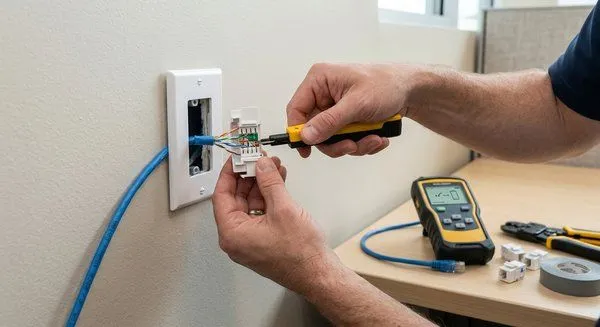
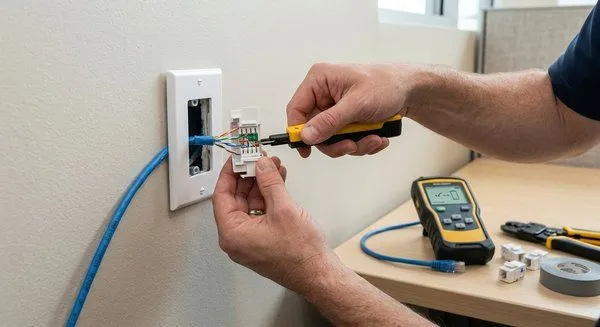
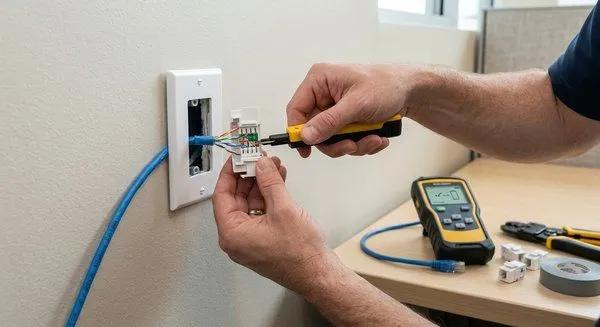
This is precisely where proper structured cabling becomes critical. Modern offices should be built on a foundation of certified CAT6 or CAT6A Ethernet cabling, which carries internet data, cloud voice calls, and even power (via Power over Ethernet, or PoE) to IP phones and other devices over a single, unified connection. Upgrading your physical network infrastructure is not an optional add-on to a VoIP deployment. It is the foundation that makes VoIP actually work.
A professional network assessment, paired with properly installed and certified structured cabling, eliminates the most common sources of packet loss before they become a daily headache.
Building the Right Foundation in Your Waterford or Halfmoon Office
Whether you are moving into a new commercial space in Waterford, expanding an existing facility near Halfmoon, or remodeling an older office in the 518 region, the structured cabling decisions you make now will determine your network's performance ceiling for years to come.
Certified CAT5e and CAT6 voice and data cabling, professionally laid out and terminated, creates a clean, scalable infrastructure that supports everything from IP desk phones to security cameras to wireless access points. Skipping this step and relying on old wiring or consumer-grade cables is the single fastest way to undermine an otherwise solid VoIP investment.